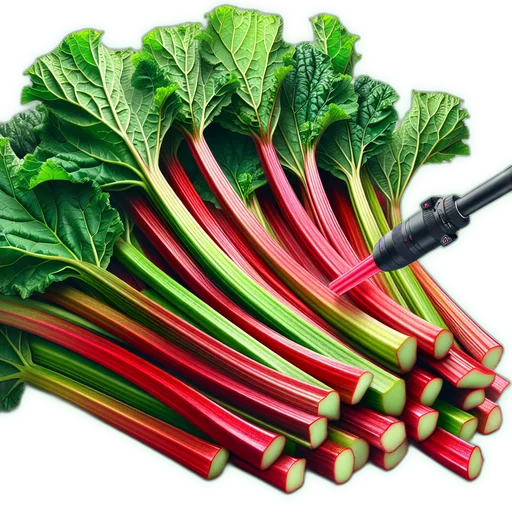
Growing Rhubarb in Zone 9a
Zone 9a has warm winters and an extended growing season — excellent for heat-loving crops like Rhubarb. Last frost: Mar 20. First frost: Nov 12.
Planting Calendar
Season: Mar 20 – Nov 12 (237 days)
When to Plant Rhubarb in Zone 9a
Start Seeds Indoors: Jan 9
Start Rhubarb seeds indoors around Jan 9 (10 weeks before last frost). Optimal germination temperature: 65°F. Germinates in 7–21 days.
Transplant Outdoors: Feb 20
Transplant Rhubarb seedlings outdoors after Feb 20. Wait until soil temperature reaches 40°F. Space plants at 1/sqft (12" apart). Harden off plants for a week before moving outside.
Harvest: Feb 20
First harvest approximately Feb 20 (~365 days from transplant). Continue harvesting until first frost (Nov 12). Rhubarb can overwinter in mild climates for continued harvest.
Rhubarb in Other Zones
1a 1b 2a 2b 3a 3b 4a 4b 5a 5b 6a 6b 7a 7b 8a 8b 9a 9b 10a 10b 11a 11b 12a 12b 13a 13bFrequently Asked Questions
When should I plant Rhubarb in Zone 9a?
Start Rhubarb seeds indoors around Jan 9. Transplant outdoors after Feb 20. Expect first harvest around Feb 20.
What is the last frost date for Zone 9a?
The average last spring frost date for Zone 9a is Mar 20. The first fall frost averages Nov 12, giving a 237-day growing season.
Can I grow Rhubarb in Zone 9a?
Yes. Rhubarb needs 90 days to harvest. Zone 9a has a 237-day growing season, which is sufficient.
What is the best month to plant Rhubarb in Zone 9a?
The best time to start Rhubarb in Zone 9a is Jan. Begin seeds indoors around Jan 9, then transplant outdoors after the last frost date of Mar 20.
How long does Rhubarb take to harvest?
Rhubarb takes approximately 90 days from planting to harvest. In Zone 9a, expect your first harvest around Feb 20.
Plan Your Rhubarb Garden
Track Rhubarb from seed to harvest with personalized frost dates, watering recommendations, and companion planting visualization.
Start Free Rhubarb Growing Guide