Korean Radish Growing Guide
Brassicaceae family
Days to Harvest55 days
SunlightFull Sun
Frost ToleranceLight
Spacing4/sqft (6" apart)
Germination3-7 days
HardinessSemi Hardy
Germ. Temp65°F
Growth Stages
- Seedling
- Vegetative / Root Development
- Mature / Harvest Ready
Planting Dates by Zone
| Zone | Start Indoors | Transplant | Direct Sow | Harvest |
|---|---|---|---|---|
| Zone 1a | — | — | Apr 20 | Jun 14 |
| Zone 1b | — | — | Apr 20 | Jun 14 |
| Zone 2a | — | — | Apr 10 | Jun 4 |
| Zone 2b | — | — | Apr 20 | Jun 14 |
| Zone 3a | — | — | Apr 17 | Jun 11 |
| Zone 3b | — | — | Apr 10 | Jun 4 |
| Zone 4a | — | — | Mar 31 | May 25 |
| Zone 4b | — | — | Mar 27 | May 21 |
| Zone 5a | — | — | Mar 24 | May 18 |
| Zone 5b | — | — | Mar 24 | May 18 |
| Zone 6a | — | — | Mar 24 | May 18 |
| Zone 6b | — | — | Mar 11 | May 5 |
| Zone 7a | — | — | Mar 11 | May 5 |
| Zone 7b | — | — | Mar 6 | Apr 30 |
| Zone 8a | — | — | Mar 1 | Apr 25 |
| Zone 8b | — | — | Feb 15 | Apr 11 |
| Zone 9a | — | — | Feb 13 | Apr 9 |
| Zone 9b | — | — | Feb 3 | Mar 30 |
| Zone 10a | — | — | Jan 16 | Mar 12 |
| Zone 10b | — | — | Dec 24 | Feb 17 |
| Zone 11a | — | — | Dec 24 | Feb 17 |
| Zone 11b | — | — | Dec 11 | Feb 4 |
| Zone 12a | — | — | Nov 27 | Jan 21 |
| Zone 12b | — | — | Nov 27 | Jan 21 |
| Zone 13a | — | — | Nov 27 | Jan 21 |
| Zone 13b | — | — | Nov 27 | Jan 21 |
Frequently Asked Questions
How long does it take to grow Korean Radish?
Korean Radish takes approximately 55 days from planting to harvest.
How much sun does Korean Radish need?
Korean Radish requires full sun (6+ hours direct sunlight per day).
How far apart should I plant Korean Radish?
Plant Korean Radish at 4/sqft (6" apart) using square foot gardening spacing.
Can Korean Radish survive frost?
Korean Radish is tolerant of light frost.
How long does Korean Radish take to germinate?
Korean Radish seeds germinate in 3-7 days at an optimal temperature of 65°F.
Plan Your Korean Radish Garden
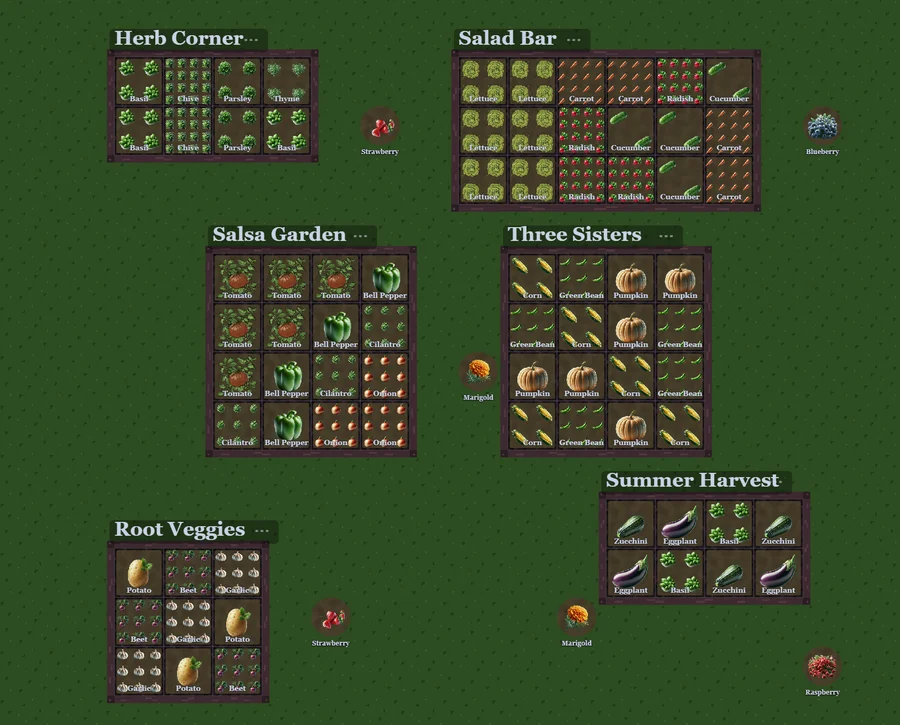
Track Korean Radish from seed to harvest with personalized frost dates, watering recommendations, and companion planting visualization.
Start Free Learn More